Introduction
Computers have become an important part of modern education. In the past, students depended mainly on teachers, textbooks, chalkboards, notebooks, and libraries for their studies. Today, computers are used in classrooms, laboratories, libraries, offices, and homes to support different aspects of learning.
A computer can help students find information, prepare assignments, practice skills, communicate with teachers, and develop digital abilities. Teachers can also use computers to prepare lessons, organize academic records, create presentations, and communicate with students. As technology continues to develop, computers are becoming an increasingly important part of the educational experience.
Access to Information
One of the most important roles of computers in education is providing access to information. Through the internet, students can access millions of educational resources from around the world.
A student researching a school project can use a computer to find articles, digital books, educational videos, research papers, and other materials. This gives students access to information that may not be available in their school library.
However, students must understand that not everything found online is reliable. They need to learn how to compare sources and identify trustworthy information.
Supporting Classroom Teaching
Computers can make classroom teaching more effective and interesting. Teachers can use presentation software, videos, images, animations, and interactive activities to explain lessons.
For example, a science teacher can use a computer to display an animation of the solar system. A history teacher can show photographs, maps, and documentaries related to a historical event.
These resources can help students understand topics that may be difficult to explain using only words and textbooks.
Online Learning
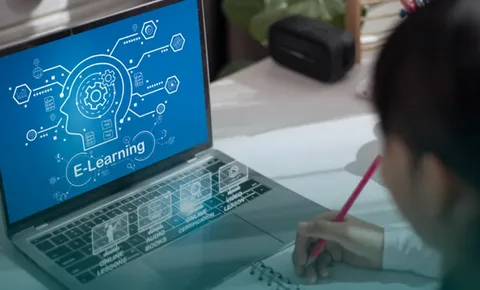
Computers have made online learning possible. Students can attend virtual classes, watch recorded lessons, submit assignments, and communicate with teachers through digital platforms.
This can be useful for students who cannot always attend physical classes. It also allows learners to access courses offered by institutions located far from their homes.
Online learning became particularly important during periods when physical schools could not operate normally. It demonstrated how computers and internet technology can help education continue during difficult circumstances.
Educational Software
There are many computer programs designed specifically for education. These programs can help students practice mathematics, learn languages, develop writing skills, understand science, and prepare for examinations.
Educational software can provide exercises and feedback based on a student’s performance. This can help students identify areas where they need improvement.
Some programs also use games and interactive activities to make learning more engaging.
Improving Students’ Digital Skills
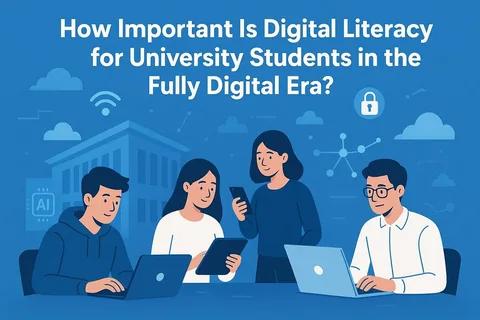
Another important role of computers is helping students develop digital skills. In modern society, computer knowledge is useful in almost every profession.
Students who learn how to type, create documents, make presentations, organize information, conduct online research, and use digital tools are better prepared for further education and employment.
Computer skills are therefore not only useful for completing school assignments. They are also important life and career skills.
Supporting Teachers
Computers can make teachers’ work more organized and efficient. Teachers can use computers to prepare lesson plans, create examination questions, record grades, communicate with parents, and store academic information.
A teacher can also use online resources to find new teaching ideas and educational materials.
This can save time and allow teachers to concentrate more on interacting with students and improving their lessons.
Communication
Computers have improved communication between schools, teachers, students, and parents. Emails, messaging systems, video calls, and online learning platforms make it possible to communicate quickly.
Teachers can send assignments and announcements to students without printing large amounts of paper. Parents can also receive information about school activities and their children’s academic progress.
Good communication can strengthen the relationship between the school and the student’s family.
Supporting Research and Projects
Students often need to complete projects and research assignments. Computers make it easier to collect, organize, analyze, and present information.
Students can use word-processing programs to write reports, presentation software to prepare slides, and spreadsheets to organize data.
They can also collaborate with classmates using online tools. This makes group projects easier because students can work together even when they are not in the same location.
Computers and Creativity
Computers can encourage creativity among students. They can use digital tools to create drawings, videos, music, presentations, websites, animations, and other projects.
For example, a student interested in graphic design can use computer software to create digital artwork. A student interested in writing can use word-processing tools to develop stories or articles.
This allows students to express themselves in ways that may not be possible through traditional classroom activities alone.
Challenges of Using Computers
Despite their benefits, computers also have disadvantages. One major challenge is cost. Computers, internet services, software, and maintenance can be expensive, especially for schools with limited financial resources.
Another problem is distraction. Students may use computers for games, entertainment, or social media instead of studying.
There is also the problem of unequal access. Some students have computers at home and reliable internet access, while others may not have these resources. This difference can affect educational opportunities.
Schools and governments therefore need to work toward providing fair access to technology.
Responsible Use of Computers
Students should be taught to use computers responsibly. They need to understand online safety, privacy, plagiarism, copyright, and responsible communication.
They should also learn how to protect their passwords and personal information and how to recognize unreliable information.
Teachers and parents can help students develop healthy computer habits by encouraging them to balance screen time with physical activity, reading, rest, and face-to-face communication.
The Future of Computers in Education
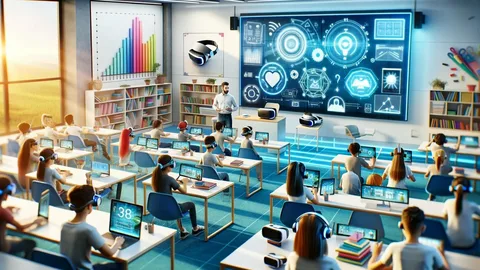
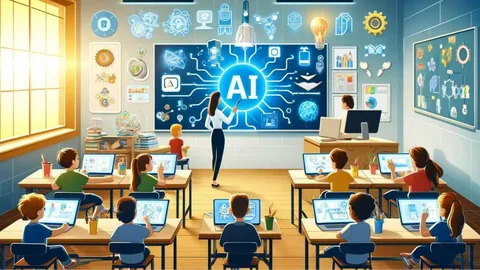
The role of computers in education is likely to become even greater in the future. Artificial intelligence, virtual reality, interactive software, and other technologies will continue to expand what computers can do.
Students may have access to more personalized learning systems that adjust lessons according to their individual needs. Teachers may also use advanced software to analyze student performance and provide targeted support.
However, computers should remain tools that support education rather than replace teachers. Human interaction, guidance, creativity, and emotional support will always be important.
Conclusion
Computers have transformed modern education by providing access to information, supporting classroom teaching, enabling online learning, improving communication, and helping students develop important digital skills. They also assist teachers with lesson preparation, record keeping, research, and communication.
At the same time, challenges such as cost, distraction, unequal access, and online safety must be addressed. Schools should ensure that students learn how to use computers responsibly and productively.
When used properly, computers can make education more accessible, interactive, creative, and effective. As technology continues to develop, computers will remain an important part of education and will help prepare students for a world that increasingly depends on digital knowledge and skills.