Introduction
Education is one of the most important tools for improving people’s lives. It gives individuals knowledge, skills, confidence, and opportunities for the future. However, not everyone has equal access to quality education. Some students live far from schools, some cannot afford educational materials, and others face challenges caused by disability, conflict, poverty, or a lack of qualified teachers.
Technology has created new ways of reducing some of these barriers. Through the internet, computers, smartphones, educational applications, online courses, digital libraries, and other tools, students can access educational resources without always having to be physically present in a traditional classroom. Although technology cannot solve every educational problem, it has made learning more accessible to many people.
Access to Online Learning
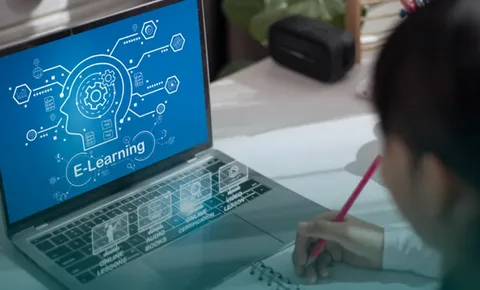
One of the biggest ways technology improves access to education is through online learning. Students can attend lessons through digital platforms without travelling to a physical school.
This can be especially useful for people who live far away from educational institutions. A student in a rural community, for example, may be able to access lessons online if reliable internet and a suitable device are available.
Online learning also allows people who work or have family responsibilities to study at times that are convenient for them. This flexibility can give more people the opportunity to continue their education.
Digital Learning Materials
Technology has also made educational materials easier to access. In the past, students often had to depend on physical textbooks and libraries. Today, digital books, articles, videos, presentations, and educational websites can be accessed using computers and mobile devices.
A student who cannot afford to purchase several textbooks may be able to find free or affordable educational resources online.
Digital materials are also easier to update than printed books. New information can be added or corrected without having to print an entirely new edition.
Smartphones and Mobile Learning
Mobile phones have made education more accessible because they are often easier to obtain than computers. Many students use smartphones to search for information, watch educational videos, communicate with teachers, and use learning applications.
Mobile learning is particularly useful because students can study in different locations. They do not necessarily need to be sitting at a desk in a school building.
For communities where access to computers is limited, smartphones can provide an important connection to educational resources.
Educational Videos
Educational videos can make difficult topics easier to understand. A student can watch a teacher demonstrate a mathematical problem, explain a science experiment, or discuss a historical event.
Videos can also be paused, replayed, and watched several times. This gives students more control over the learning process.
For students who may not understand a topic during the first explanation, being able to watch another explanation can make a significant difference.
Supporting Students With Disabilities
Technology can improve access to education for students with disabilities. Assistive technologies can help students overcome certain barriers that might otherwise make learning difficult.
For example, text-to-speech technology can read digital content aloud for students with visual impairments or reading difficulties. Speech-to-text technology can help students who have difficulty writing. Captions can support students who are deaf or hard of hearing.
These tools can make educational materials more inclusive and allow more students to participate in learning.
Access to Teachers and Experts
Technology can also connect students with teachers and experts who may not be available in their local communities.
Through online classes, video calls, educational forums, and other platforms, students can learn from professionals and educators in different parts of the world.
This can be especially valuable in areas where there are not enough qualified teachers in particular subjects.
For example, a school that does not have a specialist science teacher may be able to use online lessons to give students access to additional instruction.
Distance Education
Technology has made distance education much easier. Students who cannot attend school physically can still participate in lessons through online platforms.
This can benefit people who live in remote areas, people with certain physical limitations, and adults who want to continue their education while working.
Distance education can also provide opportunities for students to study at universities or institutions located far from their homes.
Technology During Emergencies
Technology can help maintain education during emergencies. When schools are temporarily closed because of natural disasters, health emergencies, conflict, or other situations, online learning can allow students to continue studying.
Teachers can send lessons and assignments digitally, while students can participate through online platforms when possible.
However, this only works effectively when students have access to electricity, devices, and reliable internet services. Therefore, emergency online education also shows the importance of digital infrastructure.
Reducing Geographical Barriers
Traditional education often depends on physical location. A student must usually travel to a school, college, or training center.
Technology reduces this limitation. Students can access learning materials from different locations as long as they have the necessary technology.
This can make education more available to people living in rural areas or places where educational institutions are limited.
Challenges to Equal Access
Although technology can improve access to education, it can also create new inequalities. Not everyone has reliable internet, electricity, smartphones, computers, or affordable data.
This problem is often called the digital divide. Students who have modern devices and fast internet may have many more educational opportunities than students who do not.
For technology to truly improve access to education, governments and educational institutions need to invest in internet infrastructure, electricity, affordable devices, and digital literacy.
The Importance of Digital Literacy
Having technology is not enough. Students and teachers also need to know how to use it effectively.
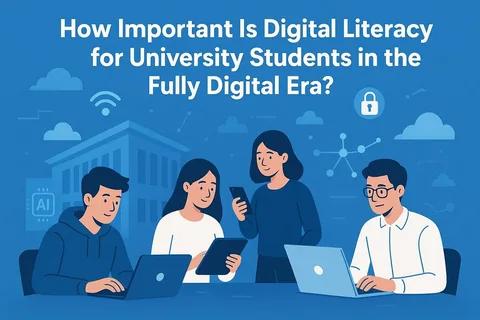
Digital literacy involves knowing how to search for information, identify reliable sources, communicate online, protect personal information, and use digital tools responsibly.
Schools should therefore teach students how to make productive use of technology rather than simply providing devices.
Conclusion
Technology has created many new opportunities for people to access education. Online learning, digital books, smartphones, educational videos, assistive technologies, and distance education can help overcome barriers caused by distance, cost, disability, and limited educational resources.
However, technology alone cannot guarantee equal access. Problems such as poor internet connections, lack of electricity, expensive devices, and limited digital skills must also be addressed.
The goal should be to ensure that technology becomes a bridge rather than another barrier. When governments, schools, teachers, communities, and families work together to provide affordable and reliable access to technology, more people can benefit from quality education.
Technology has the potential to make education more flexible and accessible than ever before. Used wisely and fairly, it can give students opportunities to learn regardless of where they live or the challenges they face.